
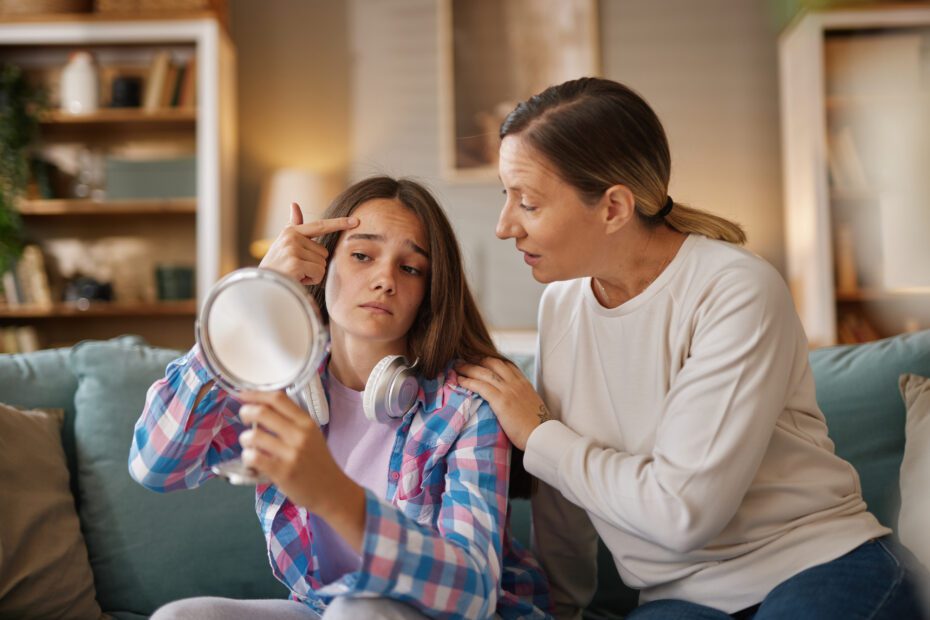
Are you watching your teenager struggle with acne? Do you find yourself torn between harsh prescription treatments and gentle options that simply don’t work?
You’re not alone in this frustrating dilemma. Adult acne affects up to 50% of people between ages 20 and 40, and when left untreated during the teen years, acne can cause lifelong scarring and significant impacts on mental well-being. Yet finding trustworthy solutions that balance effectiveness with safety feels nearly impossible. You’re stuck choosing between aggressive prescription acne treatment for teens and gentler natural acne treatment for teens, unsure what’s truly right for your child.
At Drive Wellness, we understand this challenge. That’s why we’ve launched a medical-led safe acne treatment for teens program. This structured approach reduces breakouts, calms inflammation, and improves acne scars using evidence-based methods. Most importantly, safety comes first through careful screening and teen-appropriate care.
Your search for answers ends here when it comes to safe acne treatment for teens. This article shows you how our program works, what results to expect, and why you can finally trust the process.
The Real Challenge: Finding Safe Acne Treatment for Teens
Why Parents Struggle to Find Trustworthy Solutions
Here’s the truth: More than 90% of parents with teenagers experiencing severe acne report feeling very worried about the condition’s impact on their child’s physical, mental, and social wellness. This anxiety drives many families into a cycle of trial and error with products that fail to deliver results.
The numbers tell a troubling story. When 55% of parents admit to delaying dermatologist visits, their teens struggle longer than necessary. Meanwhile, the marketplace floods you with conflicting advice. Social media influencers promote miracle cures while drugstore shelves overflow with products containing similar ingredients.
Consider these decisions many parents face:
- 23% to 26% of parents allow their adolescents with severe acne to use over-the-counter medications exclusively
- Another 8% provide no medication at all
- Many resist effective medications, preferring natural products that simply cannot address nodular or cystic acne
These choices often stem from uncertainty about what constitutes appropriate care for developing skin. The preference for natural acne treatment for teens versus medical intervention creates another obstacle, delaying proper treatment while the condition worsens.
The Gap Between Prescription Acne Treatment for Teens and DIY Approaches
Over-the-counter products work for mild breakouts but lack the strength needed for moderate to severe cases. Approximately 85% of teens and young adults between ages 12 and 24 experience acne. Most families start with benzoyl peroxide or salicylic acid products available at pharmacies. When these fail after two to three months of consistent use, you feel stuck.
Prescription acne treatment for teens includes topical retinoids, oral antibiotics, hormonal therapies, and isotretinoin for severe cases. These medical-grade options target bacteria, inflammation, and oil production in ways drugstore products cannot match.
The gap between these two approaches leaves families uncertain about the right timing for professional intervention. You’re caught between doing too little and doing too much.
Warning Signs Your Teen Needs Professional Help
Professional evaluation becomes necessary when over-the-counter treatments show no improvement after several weeks of daily use. Severe acne presenting as painful cysts or nodules requires immediate attention to prevent infections and scarring. Active scarring or dark spots developing on the skin signal that inflammation has damaged deeper layers.
Watch for these behavioral changes—they matter just as much as physical symptoms:
- Avoiding photographs
- Skipping social events
- Changing hairstyles to hide their face
- Withdrawing from activities they once enjoyed
These signs of self-consciousness demonstrate the emotional toll of untreated acne. When you see these changes, professional support that addresses both skin health and confidence becomes essential.
Your teen deserves more than trial and error. They deserve a solution designed specifically for them.
Drive Wellness Approach: Medical-Grade Care Meets Teen-Friendly Support
How the Program Works: From Consult to Clear Skin
At Drive Wellness, we structure our teen acne program around medical oversight and personalized care. A board-certified pediatrician conducts the initial consultation, assesses skin severity, and creates an individual treatment plan. This physician handles every treatment session and follow-up, ensuring consistent care throughout the process.
Our program centers on FDA-cleared laser treatment that has completed over 12,000 commercial procedures across North America. The treatment protocol recommends at least three 30-minute sessions scheduled one month apart to achieve optimal results. Most patients notice visible improvements between 1 to 3 months after their final session.
Laser Treatment Sessions Designed for Teen Comfort
The treatment targets and suppress sebaceous glands beneath the skin. This specific wavelength causes the glands to shrink, decreasing sebum production without damaging surrounding tissue. The laser works on all skin types and tones safely.
The experience incorporates an exclusive skin cooling pad and smart sensors. These features maintain patient comfort during the procedure. Your teen will experience mild to moderate pain that remains tolerable throughout the session. Mild redness typically resolves within 1-2 days, with almost no downtime required.
Evidence-Based Methods Over Empty Promises
Laser treatment is currently one of the highly recommended FDA-cleared energy-based acne treatment today. The laser addresses mild, moderate, and severe acne cases, including hormonal and cystic varieties. Results prove long-lasting, with decreased future breakouts and less severe acne over time.
The treatment works for teens who previously tried prescription topicals, oral medications, or isotretinoin without success.
This isn’t just another treatment option. It’s a solution backed by science and delivered with care.
Working Alongside Your Teen’s Dermatologist
We position our program as complementary to existing dermatological care. Our pediatrician-led approach provides an additional layer of medical expertise while respecting ongoing relationships with dermatologists.
Your teen deserves coordinated care that puts their health first.
Treatment Options and Customization for Every Teen
Addressing Active Breakouts and Inflammation
Your teen’s acne isn’t identical to everyone else’s. That’s why we customize treatment protocols based on each teen’s specific acne presentation.
Benzoyl peroxide remains one of the most effective acne-fighting ingredients, with studies showing lower strength products (2.5%) work as effectively as higher strength preparations while reducing side effects. For inflamed red pimples, benzoyl peroxide kills acne-causing bacteria and reduces oil production. Adapalene, available over-the-counter at 0.1% strength, helps unclog pores and prevent new breakouts when applied to the entire face. Salicylic acid products (0.5% to 2%) work particularly well for blackheads and comedonal acne by exfoliating dead skin cells.
Solutions for Early Acne Scarring
Here’s what you need to know: controlling active acne comes first before addressing scarring, helps make it a safe acne treatment for teens. Once breakouts stabilize, several medical procedures minimize scar appearance.
TCA CROSS uses trichloroacetic acid applied with precision to boost collagen production in depressed scars. Ablative laser resurfacing with carbon dioxide lasers triggers healing processes that repair scarred skin, though recovery takes 10 days to 3 weeks. Microneedling punctures skin to stimulate new collagen and elastin formation. Chemical peels remove damaged top layers, allowing smoother skin to develop.
Acne Treatment Products for Teens: What We Recommend at Home
The right at-home routine supports your teen’s progress. A gentle cleanser used twice daily forms the foundation. Teens should apply adapalene at night using a pea-sized amount for the entire face, starting 2-3 nights weekly to build tolerance.
Moisturizers prevent dryness from active treatments, particularly products containing hyaluronic acid and ceramides. Never skip sunscreen – products rated SPF 30 or higher protect healing skin and prevent dark spots from worsening.
Natural Acne Treatment for Teens: Supporting Skin Health
Some parents prefer natural support options alongside medical treatment. Tea tree oil demonstrates antimicrobial properties that reduce acne lesions. Zinc supplements support skin integrity and modulate hormone levels.
Dietary changes matter more than you might think. Fiber-rich foods and omega-3 sources reduce inflammation while high-glycemic foods and dairy worsen breakouts. Stress management helps control cortisol-triggered oil production.
We believe the best approach combines evidence-based medical care with supportive lifestyle choices.
Results, Timeline, and Ongoing Support
What Improvements to Expect and When
Your teen’s skin journey follows a predictable timeline. Most teens notice visible changes within 4-6 weeks of starting acne treatment for teens. Significant progress appears around 8-12 weeks with consistent use. We expect teens to see at least 70% improvement within 12-14 weeks regardless of treatment type.
This timeline reflects how acne lesions develop, taking up to 90 days from initial pore clog to visible breakout. Treatments need sufficient time to address every stage of the acne cycle. Patience pays off with lasting results.
How We Track Progress and Make Adjustments
We schedule follow-up appointments every 4-6 weeks during active treatment. Our program uses progress photos at each visit, allowing you and your teen to see measurable changes over time. If skin hasn’t improved significantly after 12-14 weeks, we adjust the treatment plan.
This structured monitoring prevents prolonged use of approaches that aren’t working. We don’t let your teen struggle unnecessarily.
Building Confidence Through Consistent Care
Studies confirm that self-esteem rises when acne clears. Clearing acne relieves depression and anxiety in affected teens. Parents tell us they witness increased independence and confidence as their teens take ownership of their skin health.
Your teen develops pride in their progress and commitment to treatment. This isn’t just about clear skin—it’s about empowering your teen to feel confident in their own skin.
Investment in Your Teen’s Skin Health
Professional acne treatment prevents permanent scarring, reduces long-term skincare expenses, and improves emotional well-being. Structured care delivers faster, more consistent results than trial-and-error approaches.
The investment extends beyond clear skin to include confidence and mental health benefits. We believe your teen deserves a solution that works—not another disappointment that wastes time and money.
Take the Next Step Toward Safe Acne Treatment for Teens
You don’t have to choose between effectiveness and safety. Drive Wellness bridges this gap with medical-grade laser technology, board-certified oversight, and teen-appropriate care that delivers real results without harsh side effects.
Stop the exhausting cycle of trial and error. Your teen deserves a solution that was made for them.
With personalized treatment plans and consistent follow-up, teens achieve clear skin while building confidence. This program offers what your family has been searching for: trustworthy, evidence-based care that prioritizes both results and safety.
Your teen’s skin health is an investment in their future. Don’t let another month pass watching them struggle with breakouts and self-consciousness.
Contact us today to schedule your consultation. We look forward to helping your teenager reclaim their confidence and achieve the clear skin they deserve.
FAQs
Q1. How long does it take to see results from teen acne treatment? Most teens notice visible improvements within 4-6 weeks of starting treatment, with significant progress appearing around 8-12 weeks. Regardless of the treatment type used, teens should see at least 70% improvement within 12-14 weeks with consistent care. This timeline accounts for the acne development cycle, which can take up to 90 days from initial pore clog to visible breakout.
Q2. What are the warning signs that my teen needs professional acne treatment? Professional help becomes necessary when over-the-counter treatments show no improvement after several weeks of daily use. Severe acne presenting as painful cysts or nodules requires immediate attention to prevent infections and scarring. Additionally, if your teen is avoiding photographs, skipping social events, or changing hairstyles to hide their face, these behavioral changes indicate the emotional impact warrants professional support.
Q3. How does laser treatment work for teen acne? We use a specific laser wavelength to target and suppress sebaceous glands beneath the skin, causing them to shrink and decrease sebum production without damaging surrounding tissue. The treatment protocol consists of at least a three 30-minute sessions scheduled one month apart, with most patients noticing visible improvements between 1 to 3 months after their final session. The laser works safely on all skin types and tones.
Q4. What at-home products should teens use alongside professional treatment? A complete at-home routine for safe acne treatment for teens include a gentle cleanser used twice daily, adapalene applied at night (starting 2-3 nights weekly), a moisturizer containing hyaluronic acid and ceramides to prevent dryness, and sunscreen rated SPF 30 or higher. Benzoyl peroxide at lower strengths (2.5%) effectively fights bacteria and reduces oil production, while salicylic acid (0.5% to 2%) works well for blackheads by exfoliating dead skin cells.
Q5. Can acne scars be treated in teens, and when should treatment begin? Acne scars can be treated, but controlling active breakouts must come first before addressing scarring. Once breakouts stabilize, several medical procedures can minimize scar appearance, including TCA CROSS for depressed scars, microneedling to stimulate collagen production, chemical peels to remove damaged layers, and ablative laser resurfacing. Early intervention prevents permanent scarring and reduces long-term skincare expenses.